

Initially serving as the solo level designer for prototyping and debugging workflows for the larger outside world of Hogwarts Legacy, the role expanded significantly as the team and project grew. As the level design team owner of this major game area, the focus was on making a substantial impact by observing and addressing the needs of the game, the immediate team, and collaborating departments including programming, VFX, Missions, Cinematic, and Story. A key objective was to leverage the technical aspects of open world to enhance the productivity and creativity of the wider development team.
Leadership
Led a team of Level Designers, participating in the interview and hiring process. Responsibilities included evaluating team needs and assigning designers to specialized production areas such as traversal and AI implementation. Provided mentorship and support through regular one-on-one meetings, focusing on workflow, problem-solving, and skill development. Collaborated with outsource studios to implement art, design, and technical elements, and maintained and troubleshooted critical world systems including tile layout, streaming, navmesh, and maps.
Collaboration
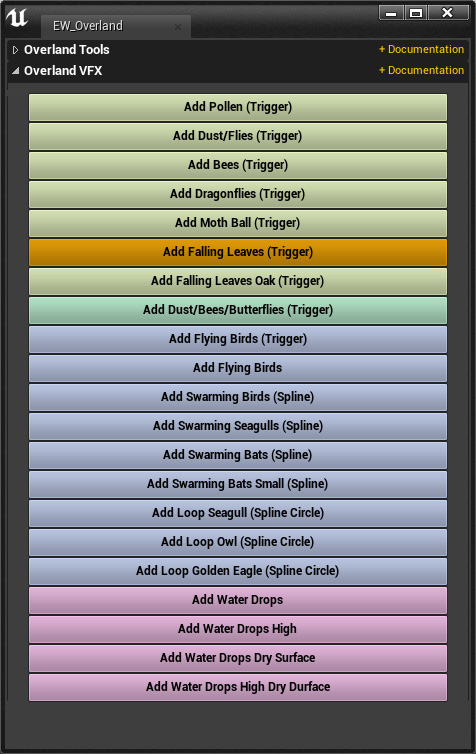
Collaborated extensively with various teams, including streaming systems programmers to ensure performant world streaming and the technical teams to tune LODs and tile performance. Worked with multiple contract studios to develop and test tools and gameplay. Partnered with NavMesh programmers to create and implement the world’s NavMesh system, including navsplines and portals for AI traversal, and utilized UE4’s spline tool for in-game AI navigation paths. Collaborated with other leads to set up blueprints for loading levels outside the main world composition tiles and worked with the economy team on the placement logic for loot and enemy distribution based on difficulty and frequency maps. Additionally, prototyped a VFX implementation panel and worked with the automation team to integrate various development tasks into an automated system.
Map/World Creation
Created and prototyped the topographical map for the game world using real-world Scottish locations in World Machine, integrating the data into UE4’s World Composition system. Participated in evaluating and scoping the overall map size and layout, iterating on the design between UE4 and World Machine. Developed and implemented an optimized tile spacing plan using a brick pattern layout to improve streaming performance.
Technical and Gameplay Contributions
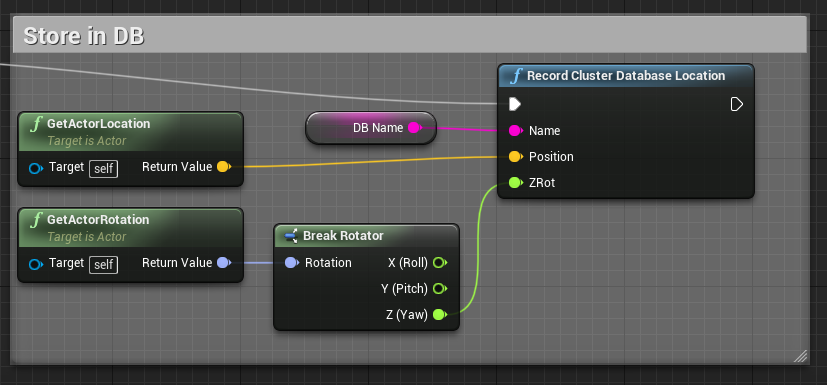
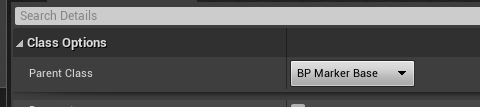
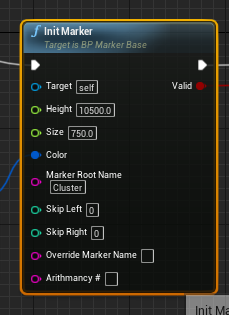
Developed key technical systems and tools, including a “Marker System” for tracking assets used for both in-game and debug maps. Created a series of blueprint prototypes for rapid layout and iteration of core gameplay features like enemy camps, treasure vaults, loot, and puzzles, ensuring integration with wider game systems and optimizing performance (e.g., using proxy geometry for vaults). Implemented ISM, HISM, and LODs for various assets and blueprints. Produced detailed documentation for world blueprints and design principles.
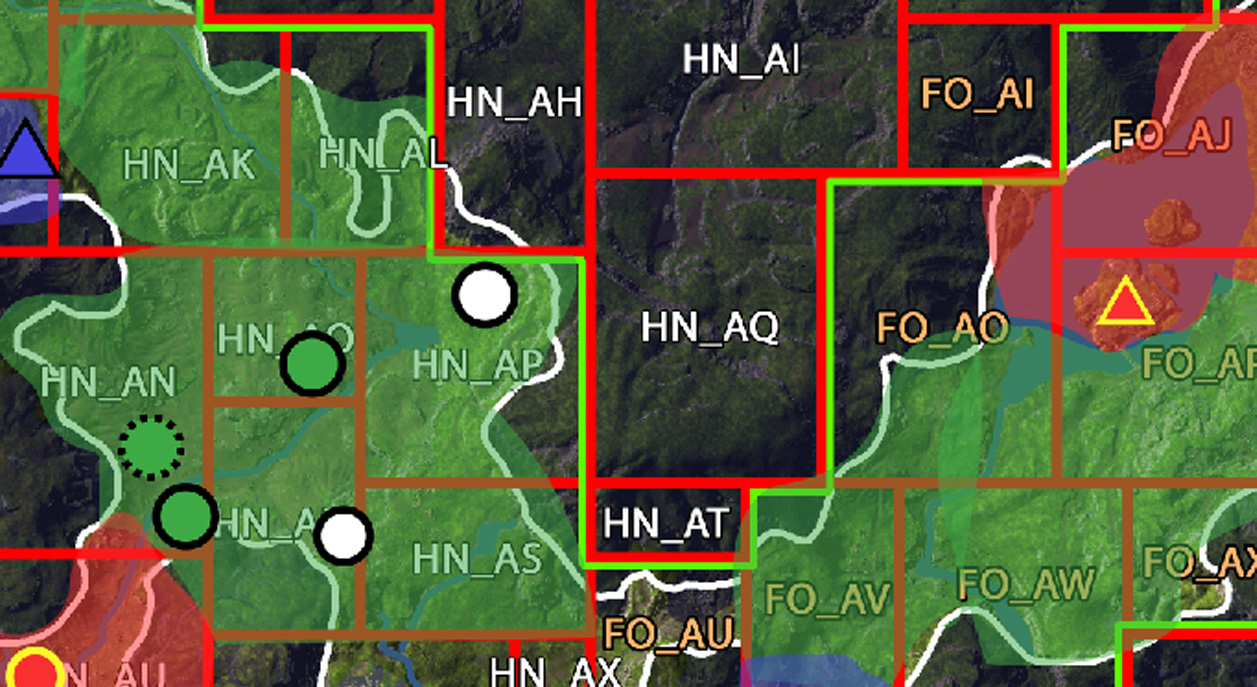
Led the level design team in creating the enemy camp distribution and faction map, coordinating closely with the combat team. Coordinated the design and development of overland vault areas, including mentoring a junior designer on the planning and blueprinting process for door/entry puzzles. Implemented the initial “dive” blueprint for underwater vault access. Managed UE4 asset collections to ensure consistency and ease of use for level designers and environment artists across the world.
Examples Below
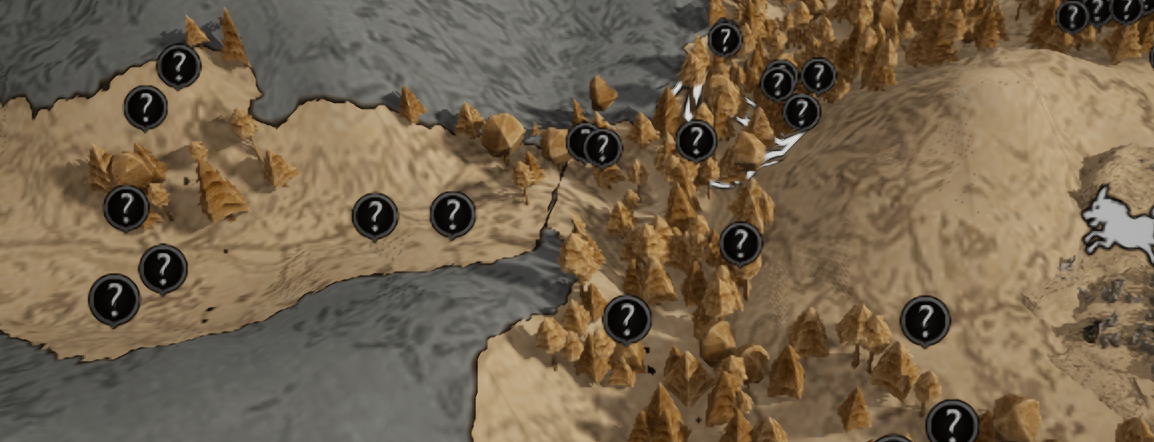
The BP based Marker System
Used for visual representation of significant gameplay assets in outside world.
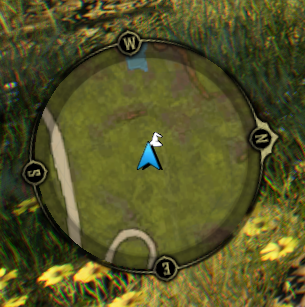
Added to the Database for use by the in game maps (mini-map and full UI map) and the VizLoc map.
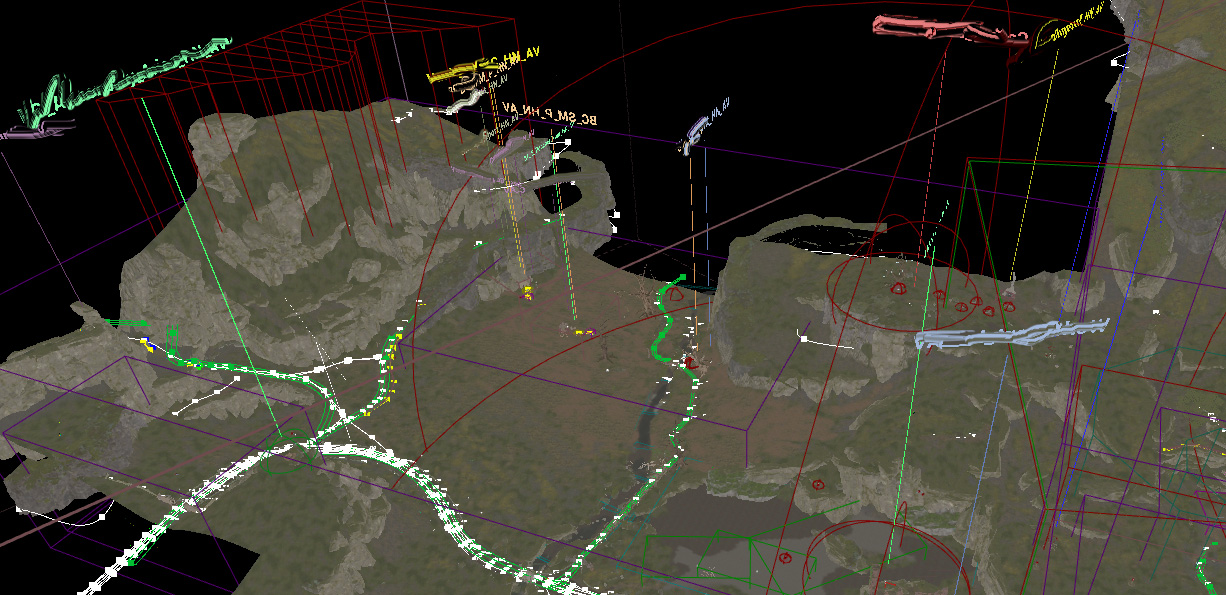
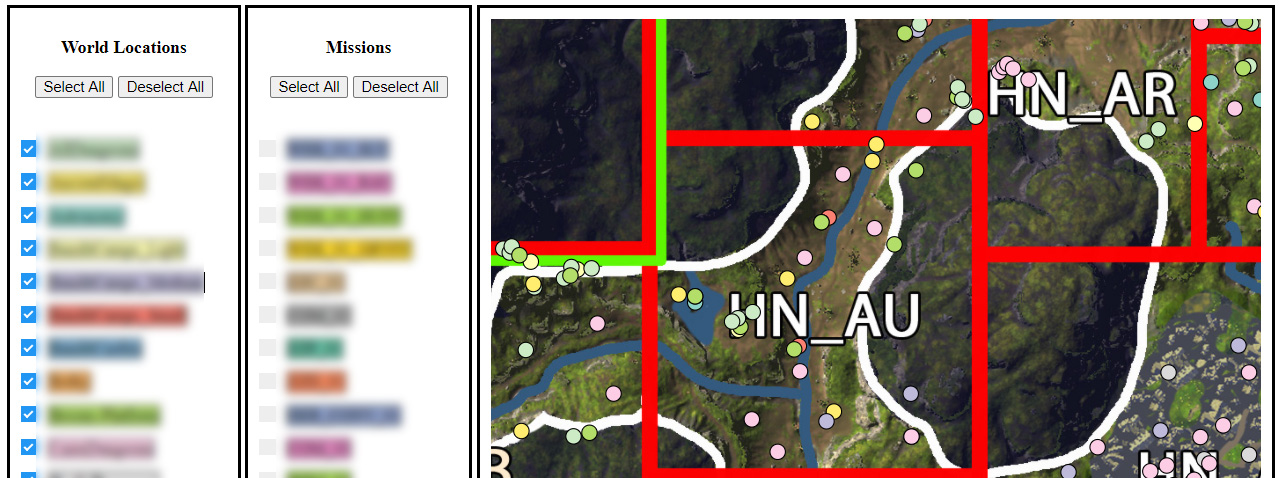
Added to the game database for use by the in game maps (mini-map and full UI map) and the debug developer map written to HTML and accessible to externally outside studio
Added to the game database for use by the in game maps (mini-map and full UI map) and the debug developer map written to HTML and accessible to externally outside studio
VFX Panel
Maps
Enemy Level and Distribution
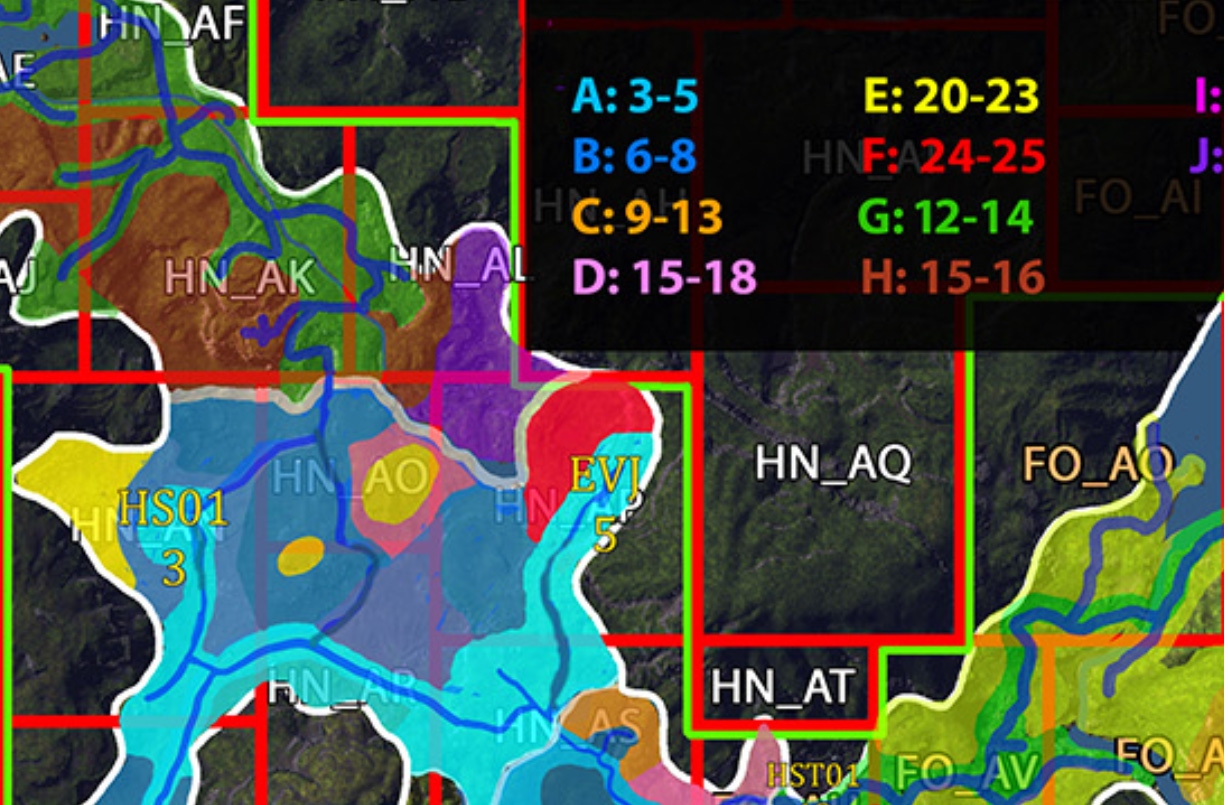
Enemy Camp Distribution
BluePrints
Custom events exposed in UE4 editor to be used by LDs to quickly implement gameplay elements that are derived fom other blueprints. Objects are automatically bound, linksed, and logic is implemented. For example, a teleport tht teleports the player to a destination location is needed. This will spawn the teleport with triggers and associated animations, along with the destination location and link the teleport to the destination. The LD then only has to place the object in the world where needed. The image above shows entrance blocers to loot vaults in the game. There ae about 20 unique entrance blockers that have specific requirements that need to be setup when added to the world.

Shows the blueprint layout for a Enemy Camp BluePrint – Setup arrays of objects in camp and setup toggle options and check for valid objects in arrays. Switch types based on enum list.
